
ブログ
PCOS(PMOS)と筋力トレーニング:研究が示すこと
運動とPCOSについて、NHS、2023年国際ガイドライン、運動のポジションステートメント、レビュー、レジスタンス研究が示したこと。
執筆:スシュミット・ジャラン(Online Fitness Worldwide コーチ)
国際的なコンセンサスにより、多嚢胞性卵巣症候群の新名称として多内分泌代謝性卵巣症候群(PMOS)が選ばれ、移行期間が進行中である。[4] NHSは、近親者にいる場合やアジア系の人ではPMOSになりやすいとしている。[2] コクランレビューは、PCOSは生殖年齢の女性の8〜13%にみられるとしている。[5]
2023年の国際ガイドラインは、体重スティグマへの認識と配慮をもって、健康的な生活習慣、心の健康、生活の質を引き続き重視し、エビデンスは全体としてなお低〜中程度の質であるとしている。[3]
18試験のメタ分析では、対照と比べて運動は空腹時インスリン、HOMA-IR、総・LDLコレステロール、中性脂肪を下げた(質の低い・非常に低いエビデンス)。通常ケアと比べて、VO2max(3.84 ml/kg/分)、腹囲(−2.62cm)、体脂肪率(−1.39%)を改善した。血圧、空腹時血糖、HDLには効果がなかった。[6]
15研究(参加者498人)のコクランレビューでは、生活習慣介入により体重(−1.68kg)と遊離アンドロゲン指数が下がる可能性があった(質の低いエビデンス)。生児出生や流産を評価した研究、月経の規則性を報告した研究はなかった。[5]
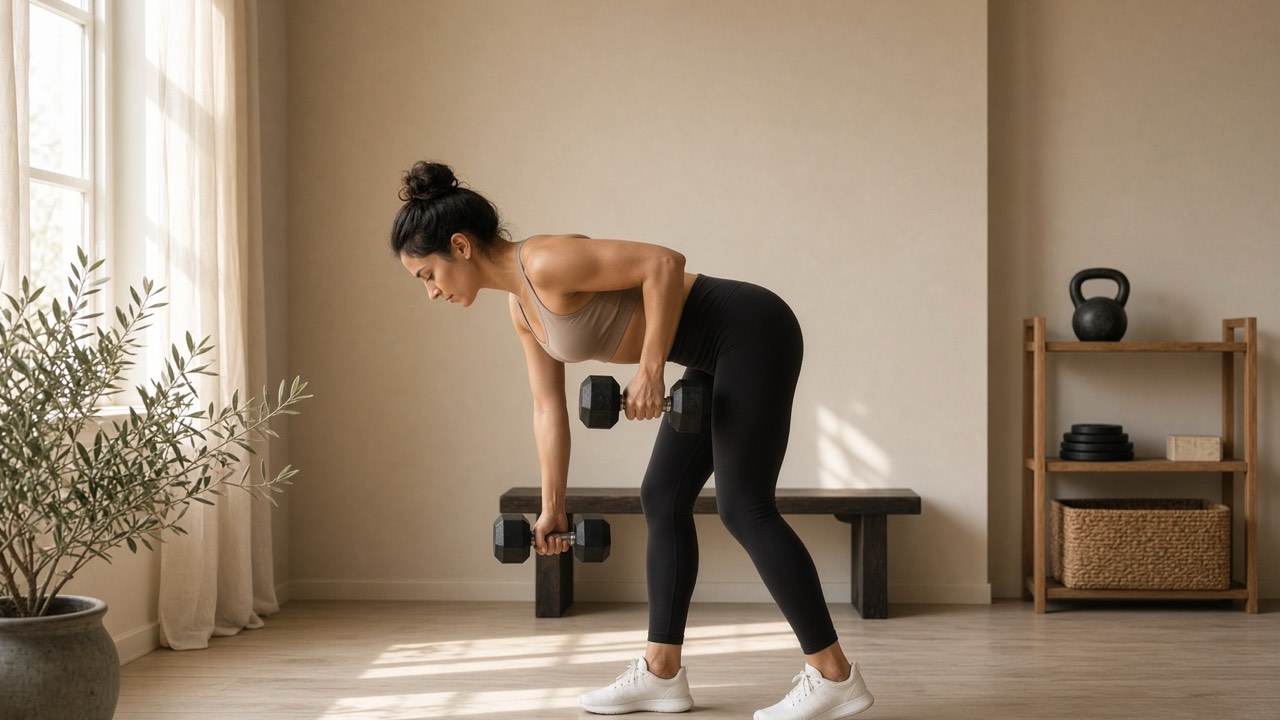
座りがちなPCOS女性45人(とPCOSでない52人)の研究では、週3回・4か月の漸進的レジスタンストレーニングにより、ベースラインと比べて血漿テストステロン、空腹時血糖、腹囲が下がり、筋量指数が上がった。[8]
関連記事: 筋力トレーニングと体脂肪減少:研究が示すこと · 筋力トレーニングと2型糖尿病:研究が示すこと
引用した研究とガイドラインで使われた種目
漸進的レジスタンストレーニング
- 出典では
- PCOS研究で週3回・4か月行われた。[8]
運動、または運動と食事
- 出典では
- 18試験のメタ分析で対照・通常ケアと比較された。[6]
連続しない2日の筋力強化活動
- 出典では
- 2024年のPCOS運動ポジションステートメントの一部。[7]
研究で用いられた量とプロトコル
2024年のポジションステートメントは、PCOSの人は週150〜300分の中強度または75〜150分の高強度の有酸素活動に加え、連続しない2日の筋力強化を目指すべきで、さらなる効果とわずかな減量には中強度250分以上または高強度150分以上と筋力2日としている。[7]
同じ声明は、運動の専門家は体重スティグマを含む心理的負担と併存疾患の多さを考慮すべきとしている。[7]
WHOの2020年ガイドラインは、成人は週150〜300分の中強度(または75〜150分の高強度)有酸素活動と、主要な筋群すべてを使う筋力強化活動を週2日以上行うべきだとしています。[1]
OnlineFitnessWorldwide について
OnlineFitnessWorldwide は、ビデオ通話(Google Meet、Zoom、FaceTime)で、1対1と少人数グループのストレングス&コンディショニングのライブ指導をオンラインで行っています。セッションの時間は予約時に決めます。
プログラム:Iron Hour、60分、1対1。Lean Reset、月20セッション、1対1。Return、45分、月12セッション(1日おき)。Open Floor、少人数グループ。コンサルテーションは30分で、トレーニングセッションではありません。予約は時間を確保するもので、料金は直接合意します。
コーチは医師でも理学療法士でもありません。
安全についてガイドラインと出典が述べていること
NHSは、PMOSかもしれないと思う場合や、症状が日常生活・仕事・人間関係に影響している場合はGPを受診するよう述べている。[2] レジスタンス研究はベースラインとの比較である。[8]
ACSMの2015年スクリーニングモデルは、運動前の医学的許可を、現在の活動量、徴候・症状や既知の心血管・代謝・腎疾患、希望する強度に基づいて判断します。[10]
このページは、引用した出典が明らかにしたことと述べていることを報告するものです。助言や行動の推奨は行いません。医療上の助言ではありません。
ASCAレベル1(ストレングス&コンディショニング)とACE(解剖学・生体力学)。これらはコーチが保有する資格です。いずれの団体も本事業や本稿を推奨していません。
出典
- [1] World Health Organization. WHO guidelines on physical activity and sedentary behaviour. Geneva: WHO; 2020. https://www.who.int/publications/i/item/9789240015128 (新しいタブで開きます)
- [2] NHS. Polyendocrine metabolic ovarian syndrome (PMOS), previously called polycystic ovary syndrome (PCOS). nhs.uk. Reviewed 30 June 2026. https://www.nhs.uk/conditions/polyendocrine-metabolic-ovarian-syndrome-pmos/ (新しいタブで開きます)
- [3] Teede HJ, Tay CT, Laven J, et al. Recommendations from the 2023 International Evidence-based Guideline for the Assessment and Management of Polycystic Ovary Syndrome. Fertil Steril. 2023;120(4):767–793. https://doi.org/10.1016/j.fertnstert.2023.07.025 (新しいタブで開きます)
- [4] Teede HJ, Khomami MB, Morman R, et al. Polyendocrine metabolic ovarian syndrome, the new name for polycystic ovary syndrome: a multistep global consensus process. Lancet. 2026;407(10545):2329–2339. https://doi.org/10.1016/S0140-6736(26)00717-8 (新しいタブで開きます)
- [5] Lim SS, Hutchison SK, Van Ryswyk E, Norman RJ, Teede HJ, Moran LJ. Lifestyle changes in women with polycystic ovary syndrome. Cochrane Database Syst Rev. 2019;3(3):CD007506. https://doi.org/10.1002/14651858.CD007506.pub4 (新しいタブで開きます)
- [6] Kite C, Lahart IM, Afzal I, et al. Exercise, or exercise and diet for the management of polycystic ovary syndrome: a systematic review and meta-analysis. Syst Rev. 2019;8(1):51. https://doi.org/10.1186/s13643-019-0962-3 (新しいタブで開きます)
- [7] Sabag A, Patten RK, Moreno-Asso A, et al. Exercise in the management of polycystic ovary syndrome: a position statement from Exercise and Sports Science Australia. J Sci Med Sport. 2024;27(10):668–677. https://doi.org/10.1016/j.jsams.2024.05.015 (新しいタブで開きます)
- [8] Kogure GS, Miranda-Furtado CL, Silva RC, et al. Resistance exercise impacts lean muscle mass in women with polycystic ovary syndrome. Med Sci Sports Exerc. 2016;48(4):589–598. https://doi.org/10.1249/MSS.0000000000000822 (新しいタブで開きます)
- [9] American College of Sports Medicine. Position stand: Progression models in resistance training for healthy adults. Med Sci Sports Exerc. 2009;41(3):687–708. https://doi.org/10.1249/MSS.0b013e3181915670 (新しいタブで開きます)
- [10] Riebe D, Franklin BA, Thompson PD, et al. Updating ACSM's recommendations for exercise preparticipation health screening. Med Sci Sports Exerc. 2015;47(11):2473–2479. https://doi.org/10.1249/MSS.0000000000000664 (新しいタブで開きます)